Texts – Read the following texts in Tamazight

The Good News

The Good News
This tells the good news of God’s plan to save people from their sins.  Read this if you want to know how to go to heaven.
 

The Gospel of Jesus Christ according to Luke

The Gospel of Jesus Christ according to Luke
This is the Gospel of Jesus Christ told to us by God’s messenger Luke.  The word “Gospel” means “Good News,” and in this book we learn all about the life of Jesus Christ, how he was miraculously born, how he performed many miracles, but how sinful people conspired to put him to death.  Yet after three days he rose from the dead to show that he has victory over sin, death, hell, evil spirits, and the devil.  This is the good news, that Jesus has come into the world to save sinful people like us.

Zacchaeus

Zacchaeus
Can a greedy person and a thief be forgiven?  Find out the answer in this true story.

Text of Acts of the Apostles

Acts of the Apostles
This book of the Bible called Acts of the Apostles tells the story of the Apostles, messengers whom Jesus sent into the world to proclaim the good news that we can be saved from our sins by what Jesus has done for us.  We hear about the mighty acts of the Holy Spirit that God did through the apostles.  Wherever they went, people believed and formed churches, that is, groups of people who love each other and worship God through Jesus Christ.  Acts is the story of the church, its birth, its growth, its trials, and its lessons for today.

Letters of Paul to the Ephesians and to the Philippians

Letters of Paul to the Ephesians and to the Philippians
The letter to the Ephesians is a book of the New Testament in the Bible.  The apostle Paul writes to the people of the city of Ephesus (and to us !) to tell us about what Jesus has done for us and how he wants us to live.  Paul reveals to us God’s grace, his eternal purpose, his plan to save people from all nations, the unity of God’s people, how to put off sin and put on righteousness, how to love and respect our spouses, and how to resist the attacks of the devil.

The letter to the Philippians is a book of the New Testament in the Bible.  The apostle Paul writes to the people of the city of Philippi to express his great joy at how they have helped him to preach and teach God’s word.  Through this book we learn about joy, thanksgiving, selflessness, servanthood, and how to overcome worry.  We learn how Jesus came to earth, that salvation is not by our works, and that our citizenship is in heaven.

Audio – Click on an image


God’s Story

This tells the story of the relationship between God and man. Starting from the very beginning, it tells of how God created man, how man rebelled against God, and the plan that God has accomplished to forgive people’s sins. A story of love from the beginning to end !

To download God`s Story in mp3 format (for listening), click here (mp3-zip – 8 files – 17 MB).

The Life of Abraham

The account of the prophet Abraham, how God called him to the promised land, gave him the covenant of circumcision, and promised to bless all nations through him. This account also speaks of Abraham’s sons Ishmael and Isaac, and how God tested Abraham’s faith by asking him to sacrifice his son.

To download the Life of Abraham in mp3 format (for listening), click here (mp3-zip – 15 files – 65 MB).

The Life of Joseph

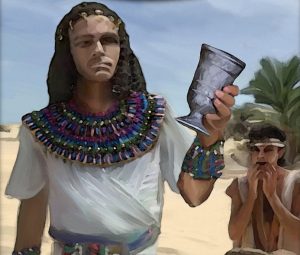
The account of the prophet Joseph, one of the 12 sons of Jacob.  He was sold into Egypt as a slave by his brothers, but God used him to save many lives and even rescue his own family from famine.  This kept alive the hope of God’s promise.

To download the Life of Joseph in mp3 format (for listening), click here (mp3-zip – 13 files – 73 MB).

The Book of Genesis

Genesis is the first book of the Bible and the first book of the Torah or Tawrat.  It speaks about creation, and it describes the lives of Adam, Noah, Abraham, Isaac, Ishmael, Jacob, Joseph and others.

To download the Book of Genesis in mp3 format (for listening), click here The Book of Genesis (mp3-zip – 50 files – 291 MB).  In one large zip file, or also available in 2 smaller zip files:

The Book of Genesis part 1 (mp3-zip – 25 files – 130 MB)

The Book of Genesis part 2 (mp3-zip – 25 files – 161 MB)

Exodus — The True Account

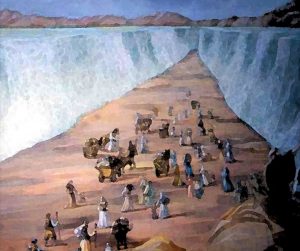
The account of the prophet Moses. God used him to bring out the Sons of Israel from Egypt, and by him God gave the law, including the ten commandments. God continues his covenant with his people through Moses.

To download the Life of Moses (Sidna Musa) in mp3 format (for listening), click here (mp3-zip – 46 files – 49 MB).

The life of Moses in the book of Leviticus

The third book of the Bible. This book gets its name from the family of Levi, one of the 12 sons of Jacob, whom God chose to serve as priests and to help the people to worship God. One of the jobs of the priests was to offer sacrifices to God, which would allow sinful humans to come near to a holy God.

The life of Moses (Numbers)

The fourth book of the Bible. This book describes the wanderings of Beni Israel in the desert as they make their way to the promised land. Here we see the rebellion of many people against God and how God reveals his holiness.

The life of Moses (Deuteronomy)

The fifth book of the Bible and the final book of the Tawrat. In this book Moses gives a second statement of the law (hence the book’s name “second law”) and bids his farewell to the people before they go into the promised land. God promises to raise up another prophet like Moses to whom all his people will listen.

The Life of Ruth

This is the account of a woman named Ruth, who suffers the tragic loss of her husband but who shows great love to her mother-in-law. Even though she leaves the land of her birth, in the process she discovers the one true God, finds a new husband along with peace and joy, and becomes the great-grandmother of the prophet David and an ancestor of the Messiah.

To download the Life of Ruth in mp3 format (for listening), click here (mp3 – 1 file – 4 MB).

The Life of Samuel

In the life of Samuel you will learn about:  his birth by a merciful intervention of God, his call by the voice of God, his just ruling and judging of the children of Israel, his anointing of Saul (Talut) as the first king, his confrontations with Saul, and his anointing of David (Daoud) as king when God rejected Saul because of his rebellion. We learn from the book of Samuel:  “Man looks on the outward appearance, but the Lord looks at the heart” (1 Samuel 16:7).  What will God find in your heart?  Let the Word of God speak to you through the life of Samuel.

To download the Life of Samuel in mp3 format (for listening), click here (mp3-zip – 21 files – 104 MB).

The Life of David

In the life of David you will learn how he started his life as a young shepherd, then was chosen by God to become king over the children of Israel and to rule from Jerusalem.  God made a covenant with him; he promised him that his throne would be established forever.  How would that be?  Because the Messiah would be born from his line and rule over all people of the earth.  Many of these prophecies about the Messiah were given by David in the Psalms.  He wrote many Psalms of praise (like in 2 Samuel 22 below), and we use them to this day to worship God.

David’s life was difficult.  He had many enemies (even one of his own sons betrayed him), and David had to repent from his sins.  In spite of all this, God used him as a king, a prophet, a writer of Psalms and an ancestor of the Messiah.  Do you want God to use you for good in this world?  Listen to the life of David, and ask God to touch you through his word.

To download the Life of David in mp3 format (for listening), click here (mp3-zip – 18 files – 85 MB).

The life of Daniel

This gives the account of the prophet Daniel who was deported to Babylon and became an advisor to kings. Well known for his wisdom, courage, and faithfulness, he did what was right even when he was persecuted for it. He refused to pray to other gods and was thrown into a den of lions, but the Lord delivered him. Daniel served the King of kings and Lord of lords. Do you?

To download the Life of Daniel in mp3 format (for listening), click here (mp3-zip – 12 files – 59 MB).

The life of Jonah

This gives the account of the prophet Jonah, whom God called to preach repentance to the rebellious people of the great city of Ninevah. But Jonah had some of his own repenting to do, and he was swallowed by a great fish. He eventually made it to Ninevah, where the people did repent and Jonah learned about God’s mercy.

To download the Life of Jonah in mp3 format (for listening), click here (mp3 – 1 file – 3 MB).

The Gospel According to Matthew

This is the Gospel of Jesus Christ told to us by God’s messenger Matthew.  In this book we see how people from the East (Arabia or Persia) bring gifts to Jesus at his birth.  John the Baptist (Yahya) points people to Christ.  Jesus heals the sick, casts out demons, raises the dead, gives sight to the blind, walks on water, and feeds crowds of people.  He teaches and preaches and tells many parables.  He warns us about hypocrisy and tells us about the judgment on the last day.  And he dies on the cross and rises from the dead in order to save us from the punishment and shame of that judgment that we deserve. He then sends us into the world with his message of good news.

To download the Gospel of Matthew in audio format (mp3), click here (mp3-zip – 28 files – 174 MB).

The Gospel According to Luke

This is the Gospel of Jesus Christ told to us by God’s messenger Luke. The word “Gospel” means “Good News,” and in this book we learn all about the life of Jesus Christ, how he was miraculously born, how he performed many miracles, but how sinful people conspired to put him to death. Yet after three days he rose from the dead to show that he has victory over sin, death, hell, evil spirits, and the devil. This is the good news, that Jesus has come into the world to save sinful people like us.

Read the text in Tamazight.

To download the Gospel of Luke in audio format (mp3), click here (mp3-zip – 25 files – 60 MB).

Audio of the Jesus Film (according to Luke)

This account explains the life of Jesus Christ: his birth, his life and miracles, his death, his rising from the dead, and his ascending to heaven. Find out why Jesus came, what his message was, what his death and resurrection means for us today. The story begins with an introduction showing how Jesus’ life fits in with all the other prophets.

To download the Life of Jesus Christ in mp3 format (for listening), click here (mp3-zip – 2 files – 20 MB).

The Gospel of John

This is the Gospel of Jesus Christ told to us by God’s messenger John.  In this book Jesus is called the Word of God.  John the Baptist (Sidna Yahya) says about Jesus, “Look, the Lamb of God who takes away the sin of the world.”  In this book you will discover many other titles of Jesus Christ.  Jesus himself said:  I am the bread of life; the living bread who has come down from heaven; the light of the world; the door; the good shepherd; the resurrection and the life; the way, the truth and the life; and the true vine.

Jesus is also called the Son of God.  This title is misunderstood by many people.  Its meaning is not physical, but spiritual.  Jesus is called the Son of God because it is Jesus who reveals to us who God is.  Listen to this book and ask God this question:  “Who are you, Lord?  Please show yourself to me.”

To download the Gospel of John in audio format (mp3), click here (mp3-zip – 21 files – 92 MB).

Acts of the Apostles

Acts of the Apostles

This book of the Bible tells the story of the Apostles, messengers whom Jesus sent into the world to proclaim the good news that we can be saved from our sins by what Jesus has done for us. We hear about the mighty acts of the Holy Spirit that God did through the apostles. Wherever they went, people believed and formed churches, that is, groups of people who love each other and worship God through Jesus Christ. Acts is the story of the church, its birth, its growth, its trials, and its lessons for today.

Read the text in Tamazight.

To download the book of Acts in audio format (mp3), click here (mp3-zip – 4 fichiers – 40 MB).

The Letter of the Apostle Paul to the Romans

In this letter the apostle Paul writes to the people of Rome.  He says, “I am not ashamed of the gospel, for it is the power of God for salvation to all who believe….”  In this book Paul describes how sinners like us can be accepted by a God who is holy, pure and without sin; how the Spirit of God changes our life and causes us to grow in holiness; and how God keeps us close to him in spite of persecution and suffering.  God has a plan for your life.  Do you know what it is?  Listen to this book to discover it.

To download the entire book of Romans in mp3 format (to listen to it), click here (mp3-zip – 16 files – 52 MB).

The Letter of the Apostle Paul to the Galatians

In this book of the New Testament of the Bible, the apostle Paul explains that the forgiveness of sins comes by faith in Jesus Christ and not by our observing the works of the law.  Being circumcised doesn’t lead to God’s acceptance.  Belonging to the correct ethnic or spiritual group doesn’t lead to God’s acceptance.  Obeying God’s commandments doesn’t lead to God’s acceptance.  Rather it is faith in Jesus Christ who lived for us and died for us that results in God’s acceptance of us as righteous.  Because of our disobedience to God’s law, we are under its curse.  But the good news is that “Christ redeemed us from the curse of the law by becoming a curse for us…” (3:13).  Are you still under the curse of the law?  Do you want to be free from that curse?  Listen to this book to find out how to be free and how to have the fruit of God’s Spirit in your life.

To download the entire book of Galatians in mp3 format (to listen to it), click here (mp3-zip – 6 files – 18 MB).

The Letter of the Apostle Paul to the Ephesians

The letter to the Ephesians is a book of the New Testament in the Bible. The apostle Paul writes to the people of the city of Ephesus (and to us !) to tell us about what Jesus has done for us and how he wants us to live. Paul reveals to us God’s grace, his eternal purpose, his plan to save people from all nations, the unity of God’s people, how to put off sin and put on righteousness, how to love and respect our spouses, and how to resist the attacks of the devil.

Read the text in Tamazight.

To download the books of Ephesians in mp3 format (to listen to them), click here (mp3-zip – 6 files – 24 MB).

The Letter of the Apostle Paul to the Philippians

The letter to the Philippians is a book of the New Testament in the Bible. The apostle Paul writes to the people of the city of Philippi to express his great joy at how they have helped him to preach and teach God’s word. Through this book we learn about joy, thanksgiving, selflessness, servanthood, and how to overcome worry. We learn how Jesus came to earth, that salvation is not by our works, and that our citizenship is in heaven.

Read the text in Tamazight.

To download the books of Philippians in mp3 format (to listen to it), click here (mp3-zip – 4 files – 17 MB).

The letter of the Apostle Paul to the Colossians

In this book of the New Testament of the Bible, the apostle Paul writes to the church in the city of Colossae (and to us as well!).  He warns us against philosophies and empty deceit according to human tradition and not according to Christ.  Many say:  Don’t take this!  Don’t taste that!  Don’t drink this!  But these rules, although they give an appearance of wisdom, are of no value in restraining the desires of the human heart.  Do you want to have victory over the evil desires of your heart?  Listen to this book to find the solution.

To download the whole book of Colossians in mp3 format (to listen to it), click here (mp3-zip – 4 files – 18 MB).

The First Letter of the Apostle Paul to the Thessalonians

This book is the first one written by the apostle Paul.  He writes to the young church in the city of Thessalonica (in the modern-day country of Greece).  These people heard and accepted the good news of Jesus Christ.  By faith and repentance they turned from idols to serve the living and true God, all the while waiting for the return of Jesus from heaven, the one who God raised from the dead, the one who spares us from the coming wrath of God’s judgment.  Jesus will return at an unexpected time.  Will you be ready?  Listen to this book to find the answer.

To download the entire book of Thessalonians in mp3 format (to listen to it), click here (mp3-zip – 5 files – 12 MB).

The Second Letter of the Apostle Paul to the Thessalonians

In this second letter to the church in the city of Thessalonica (in modern-day Greece) the apostle Paul speaks a lot about the second coming of Christ, that is, his return to earth at the end of the world.  When Jesus comes back “he will punish those who do not know God and do not obey the gospel of our Lord Jesus” (1:8).  Do you know God?  Do you obey the gospel?  Do you follow Jesus Christ?  Listen to this book to find out how to be saved before Jesus returns.

To download the entire book of 2 Thessalonians in mp3 format (to listen to it), click here (mp3-zip – 3 files – 6 MB).

The First Letter of the Apostle Paul to Timothy

In this letter the apostle Paul writes to his disciple Timothy who is a pastor at the church in Ephesus (in modern-day Turkey).  The purpose of the letter is to teach “how people ought to conduct themselves in God’s household, which is the church of the living God, the pillar and foundation of the truth” (3:15).  The church is the family of God and not a building.  We enter the church, that is, we become members of God’s family, by faith in Jesus Christ.  This letter then tells us how to live.  There are instructions to men and women, to church leaders, to the young and old, to widows, to slaves and masters (of that time), to the rich and the poor.

Do you want to know how to pray, how to help widows, how to serve the Lord, how to use money properly, how to flee the temptations of this world?  Listen to this letter, and the Lord will teach you.

To download the entire book of first Timothy in mp3 format (to listen to it), click here (mp3-zip – 7 files – 24 MB).

The Second Letter of the Apostle Paul to Timothy

This is the apostle Paul’s second letter to his disciple Timothy, who is a pastor and an evangelist, that is, one who declares the good news of salvation.  Paul encourages Timothy to “continue in what you have learned and have become convinced of, because you know those from whom you heard it, and how from infancy you have known the holy Scriptures, which are able to make you wise for salvation through faith in Christ Jesus” (3:14-15).  We should not be ashamed to testify about our Lord, but instead we should share in suffering for the gospel.

Do you want to be strong in faith, without fear in suffering?  Do you want to be a faithful witness, someone who serves the Lord?  Listen to this letter “and the Lord will give you insight into all this” (2:7).

To download the entire book of second Timothy in mp3 format (to listen to it), click here (mp3-zip – 4 files – 16 MB).

The Letter of the Apostle Paul to Titus

The apostle Paul sent Titus to organize and teach the church on the island of Crete.  In this letter Paul tells Titus how to choose elders to lead the church and how to teach the people in the church to “devote themselves to doing what is good” (3:8).  “Jesus Christ gave himself for us to redeem us from all wickedness and to purify for himself a people that are his own, eager to do what is good” (2:14).

Do you want to be pure, free from worldly passions, self-controlled?  Do you want the hope of eternal life?  Then listen to this letter to learn what God wants to do in your life.

To download the book of Titus in audio format (mp3), click here (mp3-zip – 3 files – 7 MB).

The Letter of the Apostle Paul to Philemon

Onesimus is a slave who escaped from his master Philemon and went to Rome.  While in Rome he met the apostle Paul, heard the message of the gospel, and gave his life to Jesus Christ.  Paul writes Philemon to ask him to take Onesimus back “no longer as a slave but as a dear brother” (verse 16) in the Lord.  This is a story of faith, salvation, humility and reconciliation.

Do you have relationships that need reconciled?  Do you have the courage to ask for forgiveness?  Do you have the strength to forgive and accept someone as a brother or sister in the Lord?  Listen to this short letter to find deep answers.

To download the book of Philemon in audio format (mp3), click here (mp3-zip – 1 file – 3 MB).

The letter to the Hebrews

How does the New Testament relate to the Old Testament?  What is a covenant, and why do we need a new one?  Why do we say it is “new”?  Why don’t Christians sacrifice sheep anymore?  Are Moses and Jesus equal as prophets?  Is Jesus greater than angels?  Who is Aaron (Haroun) and why is Jesus better than him?  Do we still need to do ablutions?  Why is there no forgiveness of sins without the shedding of blood?  What is the heavenly Jerusalem?  Did people like Abel, Noah, Abraham, Joseph, Moses, David and other prophets have faith in Christ?  Were they looking forward to his coming?  Listen to the book of Hebrews to find out the answers to these questions and many others.

To download the entire book of Hebrews in mp3 format (to listen to it), click here (mp3-zip – 13 files – 39 MB).

The letter of James

James, the brother of Jesus, wrote this letter which is part of the New Testament in the Bible.  In this letter he addresses themes such as:  perseverance in the midst of suffering and trials, the word of truth, religion that is pure and without stain, showing favoritism, a faith that is demonstrated by works, how to control our tongue, divine wisdom, the cause of conflicts among us, a warning to the rich, and patience as we wait for the return of Christ.

To download the whole book of James in mp3 format (to listen to it), click here (mp3-zip – 5 files – 20 MB).

The first letter of John

In this first letter by the Apostle John, he speaks of the spirit of Antichrist. How is true faith in Christ to be distinguished from a false faith?  He who has true faith walks in the light; he believes that Jesus is the Christ; he loves his brothers and sisters with the love that comes from the Father; he has the Spirit of God inside him; he keeps God’s commandments; and he turns away from idols.

It is in this letter that we have the precious phrase:  “God is love.”  Listen to this letter if you want to know how to love God and how much he loves us.

To download this first book of John in mp3 format (to listen to it), click here (mp3-zip – 5 files – 20 MB).

The Second Letter of John

This is the second letter of the apostle John.  In it he writes to a church, whom he calls “the chosen lady and her children” (verse 1), and he rejoices because they walk in truth and love.  He also warns them about deceivers, those who teach false things about Jesus Christ.

Do you want to walk in truth and love?  Do you know how to recognize those who don’t teach the truth about Jesus Christ?  Listen to this short letter to find out how to do these things.

To download the Book of 2 John in audio format (mp3), click here (mp3-zip – 1 file – 2 MB).

The Third Letter of John

This is the third letter of the apostle John.  In it he writes to a man named Gaius, a leader in one of the churches, and he commends him for showing hospitality to those who come to announce the good news of the gospel.  A man named Diotrephes does not show this kind of hospitality.  John tells Gaius, “Do not imitate what is evil but what is good” (verse 11).

Do you want to learn how to be hospitable?  Do you want to welcome the good news of the gospel?  Then welcome this short letter into your mind and heart.

To download the book of 3 John in audio format (mp3), click here (mp3-zip – 1 file – 2 MB).

The Letter of Jude

In this letter, the writer named Jude warns us against false teachers.  “These men are grumblers and fault finders; they follow their own evil desires; they boast about themselves and flatter others for their own advantage” (verse 16).  “They are godless men, who change the grace of our God into a license for immorality and deny Jesus Christ our only Sovereign and Lord” (verse 4).

Do you know how to recognize a false teacher and a false teaching?  Do you want God to give you discernment?  Listen to this letter and ask the Lord to reveal the truth to you.

To download the Letter of Jude in audio format (mp3), click here (mp3-zip – 1 file – 4 MB).

The book of Revelation

What will happen when Jesus Christ returns?  What will the end of the world be like?  What is heaven and hell like?  Who is the antichrist? What are the new heavens and the new earth?  Will I be there?  Who will be saved and who will perish?  Why are so many people against Christians?  Why do people persecute, criticize and despise Christians and make them suffer?  Where do Christians get the strength to endure suffering and forgive their enemies?  Does God send judgments on the earth?  What will the day of judgment be like?  What is the second death and how can I avoid it?

Listen to this book and learn the answers to these questions and many others.  The author, the apostle John, uses many symbols and pictures to show us the spiritual realities behind things that are happening now and during the whole time between the first and the second comings of Christ.

To download the book of Revelation in audio format (mp3), click here (mp3-zip – 22 files – 60 MB).

Video – Click on an image to watch the film

Ruth

This is the account of a woman named Ruth, who suffers the tragic loss of her husband but who shows great love to her mother-in-law. Even though she leaves the land of her birth, in the process she discovers the one true God, finds a new husband along with peace and joy, and becomes the great-grandmother of the prophet David and an ancestor of the Messiah.

Download the film of Ruth in mp4 (mp4 – 1,1 GB)

Film of the Gospel of Matthew

This is the Gospel of Jesus Christ told to us by God’s messenger Matthew. In this book we see how people from the East (Arabia or Persia) bring gifts to Jesus at his birth. John the Baptist (Yahya) points people to Christ. Jesus heals the sick, casts out demons, raises the dead, gives sight to the blind, walks on water, and feeds crowds of people. He teaches and preaches and tells many parables. He warns us about hypocrisy and tells us about the judgment on the last day. And he dies on the cross and rises from the dead in order to save us from the punishment and shame of that judgment that we deserve. He then sends us into the world with his message of good news.

Download the movie for cell phones (mp4-zip – 28 files – 842 MB).

Download the first part of the movie for computers in Full – HD format (mp4-zip – 14 files – 3 GB).

Download the second part of the movie for computers in Full-HD format (mp4-zip – 14 files – 3.4 GB).

Magdalena – Released from Shame

Magdalena, a film made especially for women, beautifully shares God’s love and the gospel, engaging women at the heart level with the potential of changing their lives for eternity.

A story of tenderness, freedom and purpose, it portrays Jesus’ compassion for women and historical accounts of His interactions with them, as seen through the eyes of Mary Magdalene.

Added to digitally enhanced footage from the original 1979 “JESUS” film, “Magdalena” seamlessly weaves the true stories of four biblical women–Mary Magdalene, the Samaritan woman at the well, the woman who touched Jesus’ garment, and the woman caught in adultery–into newly filmed scenes. The film emphasizes Jesus’ compassion for women and His ability to restore their dignity and identity through a personal encounter with Him.

An eight-lesson companion Bible study, “Reflections of Hope,” and additional resources to go with the film are available at www.MagdalenaToday.com.

Download the movie for cell phones (mp4 – 211 MB)

Download the movie for computers in DVD quality (mp4 – 887 MB)

Watch the film online: Click here

Acts of the Apostles

This film (taken directly word for word from the book of the Bible called Acts of the Apostles) tells the story of the apostles, messengers whom Jesus sent into the world to proclaim the good news that we can be saved from our sins by what Jesus has done for us.  We hear about the mighty acts of the Holy Spirit that God did through the apostles.  Wherever they went, people believed and formed churches that is, groups of people who love each other and worship God through Jesus Christ.  Acts is the story of the church, its birth, its growth, its trials, and its lessons for today.

Also:  Read the text in Tamazight.

Download the following movies for cell phones (mp4)

Acts of the Apostles 1 (mp4 – 564 MB)

Acts of the Apostles 2 (mp4 – 497 MB)

Acts of the Apostles 3 (mp4 – 597 MB)

Acts of the Apostles 4 (mp4 – 635 MB)

Download the movie for computers in HD format (mp4)

Acts of the Apostles 1 (mp4 – 908 MB)

Acts of the Apostles 2 (mp4 – 797 MB)

Acts of the Apostles 3 (mp4 – 958 MB)

Acts of the Apostles 4 (mp4 – 1 GB)

Tamazight Radio

Famous People of the Bible: Men and Women

Download all the radio programs of the series Famous People of the Bible: Men and Women first half (mp3-zip – 69 files – 319 MO) and Famous People of the Bible:  Men and Women second half (mp3-zip – 104 files – 475 MO).  In two large zip files, or also available in 8 smaller zip files:

Famous People of the Bible Part 1 (mp3-zip – 19 files – 88 MO)

Famous People of the Bible Part 2 (mp3-zip – 26 files – 120 MO)

Famous People of the Bible Part 3 (mp3-zip – 24 files – 111 MO)

Famous People of the Bible Part 4 (mp3-zip – 19 files – 87 MO)

Famous People of the Bible Part 5 (mp3-zip – 24 files – 109 MO)

Famous People of the Bible Part 6 (mp3-zip – 23 files – 105 MO)

Famous People of the Bible Part 7 (mp3-zip -27 files – 125 MO)

Famous People of the Bible Part 8 (mp3-zip -11 files – 50 MO)

The Disciple

Download all the radio programs of the series “The Disciple” the first half (mp3-zip – 80 files – 391 MO) and “The Disciple” the second half (mp3-zip – 86 files – 392 MO).  In 2 large zip files, or also available in 8 smaller zip files:

The Disciple Part 1 (mp3-zip – 20 files – 95 MO)

The Disciple Part 2 (mp3-zip – 20 files – 80 MO)

The Disciple Part 3 (mp3-zip – 20 files – 102 MO)

The Disciple Part 4 (mp3-zip – 20 files – 115 MO)

The Disciple Part 5 (mp3-zip – 20 files – 91 MO)

The Disciple Part 6 (mp3-zip – 20 files – 91 MO)

The Disciple Part 7 (mp3-zip – 24 files – 111 MO)

The Disciple Part 8 (mp3-zip – 22 files – 101 MO)

Study of the Gospel of Matthew

Download all the radio programs of the series Study of the Gospel of Matthew (mp3-zip – 117 files – 538 MO).  In one large zip file, or also available in 5 smaller zip files:

Study of the Gospel of Matthew part 1 (mp3-zip – 21 files – 97 MO)

Study of the Gospel of Matthew part 2 (mp3-zip – 24 files – 110 MO)

Study of the Gospel of Matthew part 3 (mp3-zip – 24 files – 108 MO)

Study of the Gospel of Matthew part 4 (mp3-zip – 24 files – 109 MO)

Study of the Gospel of Matthew part 5 (mp3-zip – 24 files – 114 MO)

Treasures in Genesis

Download all the radio programs of the series Treasures in Genesis first half (mp3-zip – 76 files – 354 MB)  and Treasures in Genesis second half (mp3-zip – 56 files – 252 MB.   In two large zip files, or also available in 5 smaller zip files:

Treasures in Genesis part 1 (mp3-zip – 30 files – 141 MB)

Treasures in Genesis part 2 (mp3-zip – 32 files – 150 MB)

Treasures in Genesis part 3 (mp3-zip – 30 files – 134 MB)

Treasures in Genesis part 4 (mp3-zip – 22 files – 98 MB)

Treasures in Genesis part 5 (mp3-zip – 18 files – 82 MB)

Exodus: from Slavery to Freedom

Download all the radio programs of the series Exodus: from Slavery to Freedom first half (mp3-zip – 46 files – 207 MB) and Exodus: from Slavery to Freedom second half (mp3-zip – 30 files – 137 MB).  In 2 large zip files, or also available in 4 smaller zip files:

Exodus: from Slavery to Freedom part 1 (mp3-zip – 22 files – 99 MB)

Exodus: from Slavery to Freedom part 2 (mp3-zip – 22 files – 99 MB)

Exodus: from Slavery to Freedom part 3 (mp3-zip – 22 files – 100 MB)

Exodus: from Slavery to Freedom part 4 (mp3-zip – 10 files – 46 MB)

Music–Click on a title to listen to the album

Albums of songs in the Amazigh musical forms ahidus and tanshatt:

Imazighen Testimonies- Click on an image

Testimony of an Ayt Ndir woman

Before I believed, I was really sick.  I had a lot of health problems, especially with my head. However, I still continued my prayers all the time even though my sister would tell me, “It’s too much for you to keep moving your head up and down.”

At night both of us would sleep in the same room.  My sister listened a lot to the radio.  She really liked a program about Jesus Christ.  Even though I listened to that program, I still did my prayers. One day I put a cassette about Jesus, how he did many miracles and healed people who were sick and paralyzed. I understood the power he had, and I believed in him.

From that time on the problems that I had disappeared.  He healed me, and I believe in him now. He changed my life so much, because he gives eternal life, peace and love. I know now that he died for me and that he has gone up to heaven.

The testimony of Djedjiga et Belkacem Dadah

Bonjour chère sœur !

Q

Aujourd’hui tu vas nous parler d’une femme qui a pu être délivrée des mauvais liens qui l’ont enchaînée durant toute sa vie. Comment cela s’est-il passé ?

R

C’est très difficile pour une femme d’oublier ou de mettre de côté toutes ces habitudes, toute une vie imprégnée des pratiques ancestrales. C’est très difficile, pour ne pas dire impossible; mais rien n’est difficile ou impossible à notre Dieu! Personnellement, j’y attachais beaucoup d’importance, mais avec l’aide de Dieu je suis délivrée complètement de tous ces liens et ces chaînes.

Q

Peux-tu nous expliquer comment tu as vécu cette libération, qui t’a aidée à comprendre ces choses? Serais-ce ton mari qui t’a poussée?

R

Non ce n’est pas mon mari! C’est lui qui s’est converti le premier mais il ne m’a jamais poussée ou obligée, c’est Dieu qui a travaillé en moi et qui m’a appelée ; et j’ai répondu! C’est moi qui ai choisi de suivre Jésus, qui est mon Sauveur ! Je suis donc allée à L’Eglise des Ouadhias pour voir de mes propres yeux de ce qui s’y passait et qui était ce Jésus que mon mari aimait tant.

Tamazight Language

Tamazight-French Dictionary (Tamazight of Central Morocco)

Author: Miloud Taifi

Tamazight-Arabic Dictionary

Author: Mohamed Chafik

Tamazight and Tifinagh Links

Download the Tifinagh alphabet from the Royal Institute of Amazigh Culture (IRCAM)

Amazigh School: games for learning the Tifinagh alphabet and Tamazight words

Listen to the Tifinagh alphabet.

Swathmore.edu: linguistic bibliography of Tamazight

Wikipedia articles:

Request for a Wikipedia in Tamazight

Tamazight

Tifinagh

Bibliomonde.com: the languages of Morocco

Ircam’s Tifinagh ChartTifinagh Chart – Ircam

Who are the Imazighen?

 Central Morocco : local tribes and the borders of Tamazight

Une carte des tribus des ImazighenUne carte des tribus des Imazighen

Resources–click on an image

   Downloads


   Noteworthy links


    Who are the Imazighen?


     Tamazight language resources


Old Frequently Asked Questions

Click on a question in order to read the response.  Answers are in the French.  Find answers in Tamazight, Arabic or Latin script by selecting the flag of your choice in the language box to the left.

“Whoever calls on the name of the Lord Jesus Christ will be saved” Acts 2:21                           

1. Who are we?
2. Who do we worship?
3. What do we seek?
4. Who is Satan, that enemy who declared war on God and humanity?
5. Who are humans, those wonderful creatures?
6. What is sin?
7. What is death, that powerful enemy that gives people fear?
 8. What is grace?
9. What is salvation?
10. What is the Bible?
11. For what purpose and for whom is the Bible?
12. What is the Good News (Gospel)?
13. Why are there four Gospels?
14. Has the Bible been corrupted?
 15. Who is Christ Jesus?
16. What does “Son of God” mean? 
17. What is the cross?
18. Did Jesus Christ really die on the cross? 
19. Did Jesus Christ truly rise from the dead?
20. What is baptism?
21. What is the new birth?
22. Who is the Holy Spirit?
23. What is the Trinity? 
24. How can I be sure of my salvation?
25. What is repentance? 
26. What is conversion? 
27. What is prayer?
28. What is fasting?
29. What is the Church? 
30. What is the return of Jesus Christ? 

 Contact: Ask your own question


 1. Qui sommes-nous ?

Nous sommes des Imazighen chrétiens qui placent leur confiance en Dieu et s’appuient sur la Bible pour guider leur vie. Nous voulons suivre Jésus-Christ et mettre en pratique l’Evangile. Nous croyons que la Bible n’est pas qu’un livre ordinaire mais la Parole de Dieu (2 Timothée 3:16) adressée à tous les peuples de la Terre y compris le peuple amazigh.

Retour haut de page 


2. Qui adorons-nous ?

Nous adorons Dieu, seul, unique, qui s’est incarné dans sa Parole Jésus-Christ afin qu’il puisse venir vivre parmi nous et donner sa vie pour expier les péchés de toute l’humanité y compris les Imazighen. Nous adorons Dieu par son Esprit Saint et avec toute la vérité de la Parole de Dieu écrite dans la Bible (Jean 4:24).

Ecoutez des épisodes de la radio sur le thème « Qui est Dieu? (1) » et « Qui est Dieu? (2) ».

Retour haut de page


3. Que cherchons-nous ?

Nous souhaitons faire découvrir ou redécouvrir à notre peuple amazigh la force spirituelle et l’actualité du message de la Bible. Ainsi, chacun de nous pourra avoir une idée personnelle bien basée sur la vérité de la parole de Dieu. En effet, grâce à la Bible chacun peut connaître Dieu et appuyer sa foi sur un fondement solide.

Nous voulons vous inviter à avoir une connaissance personnelle de Dieu par Jésus-Christ qui a dit « Je suis le chemin, la vérité et la vie.  Personne ne peut aller au Père (Dieu) si ce n’est par moi » (Jean 14:6). Cependant, Satan sait très bien tracer d’autres chemins semblables au vrai et unique chemin qui mène à Dieu (2 Corinthiens 11:14).

Retour haut de page 


4. Qui est Satan, cet ennemi qui a déclaré la guerre à Dieu et à l’homme ?

Dieu a créé un grand nombre d’anges dans les cieux pour son service. Satan était l’ange le plus proche de Dieu. Mais par ce poste, à cause de son orgueil, il essaya de prendre la place de Dieu (Esaïe 14:14), voulant faire un coup d’état contre son Créateur même.

Dieu dans sa sainteté ne peut tolérer une telle attitude. Satan donc est exclu du ciel mais entraine avec lui d’autres anges déchus. Ils forment une très grande armée satanique qui attaque l’œuvre de Dieu partout dans le monde depuis leur chute jusqu’à nos jours.

Comme il a entrainé avec lui beaucoup d’anges des cieux, il veut faire autant avec la création de Dieu sur la terre et surtout l’homme créé à l’image de Dieu.

Ecoutez un épisode de la radio sur le thème « Les anges et Satan ».

Retour haut de page


5. Qui est l’homme, cette créature merveilleuse ?

L’homme est la seule créature faite à l’image de Dieu (Genèse 1:26-27). Comment? Dieu a créé l’homme avec un cœur pour aimer Dieu. Dieu a créé l’homme avec un esprit (raison) pour communiquer avec Dieu. Dieu a créé l’homme avec un libre arbitre pour choisir d’adorer Dieu. Le premier homme était capable de glorifier Dieu dans son cœur et par tous ses actes. Il pouvait vivre très heureux en une parfaite harmonie avec Dieu son unique maître. L’homme est fait pour glorifier Dieu, mais le péché empêcha l’homme de profiter de cette relation avec son Créateur. Comment? Lire la suite.

Ecoutez des épisodes de la radio sur le thème « Qui est l’homme? (1) » et « Qui est l’homme? (2) ».

Regardez une vidéo :

Retour haut de page 


6. Qu’est-ce que le péché ?

Juste après la création d’Adam et sa femme, Satan (l’ennemi de Dieu) s’est acharné contre eux et a entamé une discussion avec Eve (Huae) pour détruire la relation dont l’homme jouissait avec son Créateur (Genèse 3:1). Par ses ruses, il a réussi à conquérir le cœur de l’homme qui voulait lui aussi devenir comme Dieu, connaître le bien et le mal (Genèse 3:5). Par sa désobéissance au commandement de Dieu, lui interdisant de manger de l’arbre de la connaissance du bien et du mal (Genèse 2:17), l’homme a péché contre Dieu.

Le péché n’est pas seulement une désobéissance à Dieu, qu’elle soit par pensée ou par acte, mais la source même d’où émanent les idées qui engendrent des actes contre Dieu. Pécher, c’est rater le but de sa vie qui est de glorifier Dieu.
Le péché entraine la mort, ou plutôt, la mort est le salaire du péché. (Romains 6:23).

Ecoutez un épisode de la radio sur le thème « Le péché ».

Retour haut de page


7. Qu’est-ce que la mort, cet ennemi redoutable qui fait peur à l’homme ?

Après avoir créé l’homme, Dieu lui a interdit de manger du fruit de l’arbre de connaissance du bien et du mal sous peine de mort (Genèse 2:17). Mais l’homme a choisi librement de suivre les conseils de son ennemi Satan pour désobéir à Dieu (Genèse 3:6). Par cet acte l’homme a brisé sa relation avec Dieu, et s’est trouvé loin de son Créateur : c’est la première mort (la mort spirituelle) (Ephésiens 2:1).

Depuis ce moment la deuxième mort (fin de vie sur terre) travaille dans l’homme jusqu’à le faire retourner à la terre comme dit la sentence de Dieu : «…car tu es poussière, et tu retourneras dans la poussière » (Genèse 3:19). Et la troisième mort (perdition éternelle) viendra après le grand jour du jugement de Dieu.

Cependant, par son amour et sa grâce, Dieu veut sauver l’homme de la mort (Jean 11:25-26) et rétablir avec lui une nouvelle relation basée sur l’œuvre de Dieu seul et non sur les œuvres humaines.

Retour haut de page


8. Qu’est-ce que la grâce ?

La grâce c’est la faveur non méritée que Dieu, dans son amour, accorde au pécheur qui se repent : elle lui apporte le salut (Tite 2:11 ; Ephésiens 2:5, 8) en le justifiant gratuitement (Romains 3:24 ; Tite 3:7).           

Dieu dans son amour et par sa miséricorde (Jean 3:16 ; Ephésiens 2:4-5) veut épargner l’homme du châtiment causé par Satan son ennemi numéro un. Mais Dieu est aussi juste et saint. Il ne peut pas tolérer le péché. Il aime l’homme mais il hait les péchés de l’homme.

Pour cela il faut que quelqu’un paie le salaire du péché à la place de l’homme. Quelqu’un qui n’a jamais péché et qui veut mourir à la place de l’homme pécheur.

Dieu, n’ayant pas trouvé d’homme sans péché (Romains 3:23), a utilisé un animal sans défaut pour cette affaire. Cet animal était un symbole du Sauveur du monde qui doit venir au bon moment choisi par la sagesse de Dieu pour accomplir le salut sur la croix.

Regardez une vidéo sur la parabole de Jésus qui nous donne une image de la grâce de Dieu : 

Retour haut de page


9. Qu’est-ce que le salut ?

Le salut est la rédemption éternelle de l’homme pécheur, obtenue par la repentance et la foi en la perfection du sacrifice de Jésus-Christ à la croix. Dieu sauve celui qui croit au Sauveur et à la vertu de son sacrifice expiatoire. Le croyant est lavé de ses péchés par le sang du Christ versé à la croix (Hébreux 9:12 ; Apocalypse 1:5). C’est du Sauveur Jésus-Christ que la Bible parle du début à la fin.

Ecoutez un épisode de la radio sur le thème « Que dois-je faire pour être sauvé? ».

Retour haut de page


10. Qu’est-ce que la Bible ?

La Bible est le Livre de la Parole de Dieu inspirée à des hommes saints par l’Esprit de Dieu (le Saint-Esprit). Elle nous montre qui est Dieu, qui est l’homme, et elle guide l’homme sur le chemin qui mène à Dieu. Elle est gardée par la puissance de Dieu de toute falsification humaine ou de tout abus satanique.

La Bible est une bibliothèque qui rassemble 66 livres. Elle se divise en deux parties: La première partie s’appelle l’Ancien Testament et la  deuxième partie s’appelle le Nouveau Testament.

L’Ancien Testament se compose de 39 livres :

 Les cinq livres de Moïse ou Pentateuque, appelé aussi la Torah :
 – Genèse
 – Exode
 – Lévitique
 – Nombres
 – Deutéronome

 Douze livres historiques qui parlent de l’histoire ancienne du peuple d’Israël, la postérité d’Abraham, l’ami fidèle de Dieu :
 – Josué 
 – Juges 
 – Ruth 
 – 1 Samuel 
 – 2 Samuel 
 – 1 Rois 
 – 2 Rois 
 – 1 Chroniques 
 – 2 Chroniques 
 – Esdras 
 – Néhémie 
 – Esther 

 Cinq livres poétiques : celui de l’épreuve de Job, les Psaumes de David (le Zabour), les Proverbes de Salomon, fils de David et deux autres livres :
 – Job 
 – Psaumes 
 – Proverbes 
 – Ecclésiaste 
 – Cantique des Cantiques

 Dix-sept livres prophétiques écrits par des prophètes envoyés pour le peuple d’Israël ou les peuples voisins :
 – Esaïe 
 – Jérémie 
 – Lamentations 
 – Ezéchiel 
 – Daniel 
 – Osée 
 – Joël 
 – Amos 
 – Abdias 
 – Jonas 
 – Michée 
 – Nahum 
 – Habakuk 
 – Sophonie 
 – Aggée 
 – Zacharie 
 – Malachie

Ecoutez un épisode de la radio sur le thème « Les prophètes et la Bible ».

Regardez une vidéo :

Retour haut de page

Le Nouveau Testament à son tour se compose de 27 livres :
 Les quatre livres qui racontent la vie de Jésus-Christ :
 – Evangile selon Matthieu 
 – Evangile selon Marc 
 – Evangile selon Luc 
 – Evangile selon Jean 

 Les Actes des Apôtres qui rapportent le début de la formation des assemblées chrétiennes :
 – Actes des Apôtres

 Les vingt et une épîtres qui enseignent aux fidèles de l’Eglise, les encouragent et les consolent dans des épreuves qu’ils devraient endurer par amour pour celui qui les a choisis pour ce privilège :
 – Romains 
 – 1 Corinthiens 
 – 2 Corinthiens 
 – Galates 
 – Ephésiens 
 – Philippiens 
 – Colossiens 
 – 1 Thessaloniciens 
 – 2 Thessaloniciens 
 – 1 Timothée 
 – 2 Timothée 
 – Tite 
 – Philémon 
 – Hébreux 
 – Jacques 
 – 1 Pierre 
 – 2 Pierre 
 – 1 Jean 
 – 2 Jean 
 – 3 Jean 
 – Jude

L’Apocalypse est un livre qui parle de l’avenir 
 – Apocalypse

Tous les livres de la Bible sont divisés en chapitres, et les chapitres en versets pour faciliter la recherche et la localisation des références.

Nous vous souhaitons donc une bonne lecture qui peut se traduire par la foi pouvant transformer votre vie et vous donner la vie éternelle avec celui qui la donne : Jésus-Christ qui a dit « L’homme ne vivra pas de pain seulement, mais de toute parole que Dieu prononce » (Matthieu 4:4). (Matthieu 4:4 veut dire Livre de Matthieu chapitre 4 verset 4). 

Ecoutez des épisodes de la radio sur le thème « Les enseignements moraux de la Bible (1) » et « Les enseignements moraux de la Bible (2) ».

Regardez une vidéo :

Retour haut de page


11. Pour quoi cette Bible et pour qui ?

La Parole de Dieu (la Bible) est donnée à toute l’humanité pour retrouver le vrai chemin qui mène à Dieu. La Bible est pour tout le monde y compris le monde amazigh « Car quiconque demande reçoit, celui qui cherche trouve, et l’on ouvre à celui qui frappe » (Matthieu 7:8).

Elle nous révèle Dieu dans son amour et nous annonce l’Evangile et les bénédictions qui en découlent. « Et, sans contredit, le mystère de la piété est grand: celui qui a été manifesté en chair, justifié par l’Esprit, vu des anges, prêché aux Gentils, cru dans le monde, élevé dans la gloire » (1 Timothée 3:16). 

La Bible nous révèle Dieu dans son amour et nous annonce l’Evangile et les bénédictions qui en découlent : « Car Dieu a tellement aimé le monde qu’il a donné son Fils unique (Jésus le messie), afin que tout homme qui croit en lui ne meure pas mais qu’il ait la vie éternelle » (Jean 3 :16).

Ecoutez un épisode de la radio sur le thème « Quelques vérités intéressantes sur la Bible ».

Retour haut de page


12. L’Evangile, c’est quoi ?

L’Evangile est un mot qui veut dire « La Bonne Nouvelle ». La Bonne Nouvelle c’est que Dieu nous a tant aimé jusqu’à donner Sa Parole Jésus-Christ sur la croix pour sauver nos âmes de la perdition éternelle (Jean 3:16). Il s’agit de l’Evangile de la grâce de Dieu (Actes 20:24) envers les hommes pécheurs. Son message fait appel à la foi en la personne et en l’œuvre de Jésus-Christ (1 Corinthiens 15:1-4).

L’Evangile est le titre le plus convenable à la deuxième partie de la Bible qui est le Nouveau Testament. 

Regardez des vidéos :

Retour haut de page


13. Pourquoi quatre Evangiles ?

En vérité il n’y a qu’un seul Evangile, c’est le message que vous pouvez être sauvé de vos péchés par ce que Jésus Christ a fait pour vous : «…Jésus alla dans la Galilée, prêchant l’Evangile de Dieu » (Marc 1:14).

Puisque les quatre premiers livres du Nouveau Testament composent le récit de  la vie de Jésus-Christ et ses paroles, chacun d’un côté bien particulier (Luc 1:1-4), on a préféré ajouter le titre d’Evangile au nom du disciple inspiré par Dieu. Comme ça on appelle le livre de Matthieu : l’Evangile selon Matthieu et ainsi de suite.

Aussi, puisque le Nouveau Testament en entier est le dépôt et l’explication de ce message, parfois on appelle tout le Nouveau Testament (surtout dans le monde arabe et amazigh) l’Evangile. 

Retour haut de page


14. La Bible était-elle falsifiée ?

Non et non !  Dire une telle chose est un blasphème satanique contre Dieu lui-même et non contre les chrétiens ni contre les Juifs.
Voilà ce que dit Dieu de Sa Parole: « Et Dieu me dit : Tu as bien vu ; car je veille sur ma parole, pour l’exécuter » (Jérémie 1:12). Dieu ne dort pas comme le fait croire Satan à beaucoup de gens. Dieu veille sur tout le monde et surtout sur sa Parole car il sait bien que Satan, son ennemi, veut empêcher les gens de se nourrir d’elle.

La Parole de Dieu est la vérité (Jean 17:17) ; elle est esprit et vie (Jean 6:63).  C’est pourquoi Satan ne veut pas que les gens la consultent. Il a réussi à convaincre une grande multitude de gens (parmi eux beaucoup d’Imazighen) à ne pas faire confiance à la Bible par un seul mot : « falsifiée ». Et les gens le répètent sans prendre une initiative quelconque pour voir si c’est vrai ou non.

Jésus-Christ a dit « Je vous le dis en vérité, tant que le ciel et la terre ne passeront point, il ne disparaîtra pas de la loi un seul iota ou un seul trait de lettre, jusqu’à ce que tout soit arrivé » (Matthieu 5:18). Il a aussi dit « Il est plus facile que le ciel et la terre passent, qu’il ne l’est qu’un seul trait de lettre de la loi vienne à tomber » (Luc 16:17).

Cher lecteur, ne laissez pas votre ennemi vous priver de la Parole de celui qui vous a aimé jusqu’à donner sa vie pour vous. Au moins lire avant de juger.

Sans la vrai Parole de Dieu vous ne pouvez pas connaître le vrai Dieu ni le chemin qui mène à Dieu. 

Retour haut de page


15. Qui est Jésus-Christ ?

Jésus-Christ est la Parole de Dieu.  Il était toujours avec Dieu (Jean 1:1-2). Jamais Dieu n’a existé sans sa Parole ni sans son Esprit, n’est-ce pas? 

La Parole de Dieu a le même pouvoir que Dieu, comme la parole d’un roi a le même pouvoir que ce roi. Dieu est le Roi des rois. C’est par sa Parole et pour sa Parole que Dieu a créé tout ce qui existe (Colossiens 1:16).

Le nom Jésus veut dire celui qui sauve son peuple de leurs péchés (Matthieu 1:21). Christ veut dire l’oint, l’élu, celui qui est choisi pour une fonction ou une mission bien précise.

Qui peut-être choisi par Dieu pour venir accomplir cette grande mission qui est de sauver l’humanité de Satan, le grand ennemi de Dieu? Dieu a voté pour sa Parole Jésus-Christ comme le seul en qui il pouvait mettre sa confiance pour exécuter une si grande tâche.

C’est comme ça que la Parole de Dieu Jésus-Christ est venu dans notre enveloppe humaine sans péché pour sauver les pécheurs comme vous et moi, cher lecteur. Heureux celui qui croit en lui, il ne sera point confus (Romains 9:33). Chacun de nous aime sa propre parole et ses enfants plus qu’autres choses ; même les animaux font de même pour leurs petits. Dieu aussi aime sa Parole jusqu’à lui donner le nom de Fils de Dieu.

Dieu a donné quelqu’un de très cher pour lui, ce qui doit nous conduit à l’humilité devant ce grand don. 

Ecoutez des épisodes de la radio sur le thème « Qui est Jésus Christ? (1) » et « Qui est Jésus Christ? (2) ».

Ecoutez une chanson : Jésus Christ C’est Toi qui Es

Regardez le film «La vie de Jésus » :

Retour haut de page


16. Fils de Dieu, ça veut dire quoi ?

Dans le Nouveau Testament et précisément dans l’Evangile selon Jean nous lisons ce qui suit: « Les Juifs répondirent à Jésus-Christ : « Ce n’est point pour une bonne œuvre que nous te lapidons, mais pour un blasphème, et parce que toi, qui es un homme, tu te fais Dieu » » (Jean 10:33).

Les Juifs ont compris ce que signifie Fils de Dieu ; ils ont bien compris le message de Jésus-Christ. Pour eux, Fils de Dieu veut dire Dieu. Ce n’est pas comme ça que pensent ou comprennent certaines personnes. Dieu n’a pas besoin d’une femme dans sa vie. Celui qui dit cela ne connait rien de Dieu.

Nous lisons aussi dans l’Evangile selon Jean « Personne n’a jamais vu Dieu ; le Fils unique, qui est dans le sein du Père, est celui qui l’a fait connaître » (Jean 1:18). Cela nous montre vraiment qui est Jésus-Christ. C’est le vrai et le seul être qui peut nous faire connaître Dieu. Et personne ne peut accomplir cette tâche difficile si ce n’est Dieu Lui-même.

Et c’est lui seul qui peut mourir sur la croix pour expier les péchés de toute l’humanité. 

Ecoutez des épisodes de la radio sur les thèmes « La vie de Jésus Christ (1) », « La vie de Jésus Christ (2) », « La vie de Jésus Christ (3) » et « Les noms de Jésus-Christ ».

Ecoutez une chanson : Jésus est Seigneur

Retour haut de page


17. Qu’est-ce que la croix ?

La croix est un poteau vertical avec une traverse horizontale sur lequel on attachait des criminels pour les mettre à mort. Jésus-Christ nous a rachetés en mourant sur la croix (Galates 3:13). Il a subit la mort à notre place, car en effet c’est nous qui méritons cette mort à cause de nos péchés contre Dieu.

Nous, les chrétiens, nous n’adorons pas la croix mais celui qui a donné sa vie sur cette croix pour moi et pour vous, cher lecteur.

La croix symbolise l’œuvre de la rédemption ; la parole de la croix est folie pour les incrédules, mais pour les croyants elle est la puissance de Dieu (1 Corinthiens 1:18). Jésus-Christ nous a rachetés de la malédiction de la loi, étant devenu malédiction pour nous sur la croix (Galates 3:13).

Ecoutez une chanson : A la croix

Retour haut de page


18.  Jésus-Christ a-t-il vraiment subit la mort sur la croix ?

Oui, certainement, Jésus a subit la mort sur la croix. Même ceux qui l’ont tué témoignent de leur crime : « Et tout le peuple répondit : « Que son sang retombe sur nous et sur nos enfants ! » » (Matthieu 27:25) ; « Pilate fit une inscription, qu’il plaça sur la croix, et qui était ainsi conçue : Jésus de Nazareth, roi des Juifs » (Jean 19:19).

Son disciple qui l’a trahit mourut lui aussi par suicide : « Judas jeta les pièces d’argent dans le temple, se retira, et alla se pendre » (Matthieu 27:5).

Les Juifs et les soldats romains étaient sûrs que c’était Jésus-Christ qui était sur la croix et pas quelqu’un d’autre (Luc 23:36 ; Jean 19:23). Et ceux qui vivaient avec Jésus de près, comme Marie sa mère et ses disciples, étaient sûrs que c’était leur cher qui souffrait sur la croix : « Jésus, voyant sa mère, et auprès d’elle le disciple qu’il aimait, dit à sa mère : « Femme, voilà ton fils » » (Jean 19:26).
L’Ancien Testament est plein de versets qui mentionnent sa mort directement ou indirectement. Dans le Nouveau Testament, la mort de Jésus est le fondement de la Bonne Nouvelle qui y est annoncée.

Ce n’étaient pas les chrétiens qui voulaient mettre Jésus-Christ à mort mais c’est à cause des péchés de toute l’humanité qu’il s’est fait clouer sur la croix.

Jésus-Christ lui-même a parlé de sa mort et de sa résurrection pas mal de fois jusqu’aux derniers moments qui précédaient sa capture : « Voici, nous montons à Jérusalem, et le Fils de l’homme sera livré aux principaux sacrificateurs et aux scribes. Ils le condamneront à mort » (Matthieu 20:18).

« Vous savez que la Pâques a lieu dans deux jours, et que le Fils de l’homme sera livré pour être crucifié » (Matthieu 26:2). 

Ecoutez un épisode de la radio sur le thème « Qu’a fait Jésus Christ sur la terre? ». 

Retour haut de page


19. Jésus-Christ est-il vraiment ressuscité ?

La résurrection est un événement qui a bouleversé le monde et qui a changé l’histoire pour toujours. Oui, certainement, Jésus-Christ s’est ressucité le troisième jour après sa mort comme il l’a répété maintes fois et comme c’est mentionné dans les Ecritures (Matthieu 27:62-63 ; Luc 24:13-27). « Car, puisque la mort est venue par un homme, c’est aussi par un homme qu’est venue la résurrection des morts. Et comme tous meurent en Adam, de même aussi tous revivront en Christ » (1 Corinthiens 15:21-22).

Son tombeau vide lui rend témoignage aussi (Luc 24:1-3 ; 13-27). C’est son apparition à ses disciples plusieurs fois (Luc 24:36 ; Jean 20:19) qui leur a donné l’espoir et le courage de prendre le flambeau de l’Evangile et de répandre la Bonne Nouvelle malgré les persécutions qu’ils auraient à endurer dans le monde. Plusieurs ont été torturés et tués à cause de ce qu’ils croyaient ; comme des centaines de milliers d’autres l’ont été dans les générations qui ont suivi.

Avant de quitter ses disciples, Jésus leur a donné le message de la grande mission en leur disant : « Allez, faites de toutes les nations des disciples, les baptisant au nom du Père, du Fils et du Saint Esprit » (Matthieu 28:19). 

Regardez des vidéos :

Retour haut de page


20. Le Baptême, c’est quoi ?

Littéralement c’est le fait d’être plongé dans l’eau. Mais le baptême est plus que cela ; c’est un signe et un engagement public de l’identification du chrétien avec Jésus-Christ dans sa mort et sa résurrection (Romains 6:3, 4 ; Colossiens 2:12).

Il y a aussi le baptême du Saint Esprit : le Saint-Esprit vient faire sa demeure en nous à la nouvelle naissance (Galates 4:6 ; Ephésiens 1:13, 14). 

Retour haut de page 


21. Qu’est-ce que la nouvelle naissance ?

C’est l’œuvre du Saint-Esprit par laquelle le croyant devient participant de la nature divine, de la vie du Christ. Par la nouvelle naissance, l’homme naturel reçoit une vie nouvelle, qui fait de lui une nouvelle créature comme dit la Bible : « Si quelqu’un est en Christ, il est une nouvelle créature. Les choses anciennes sont passées ; voici, toutes choses sont devenues nouvelles » (2 Corinthiens 5:17).

À cause de la désobéissance d’Adam le péché est entré dans le monde, et la nature de tout être humain est devenue pécheresse. Jésus explique à un homme religieux en Jean 3 que nul ne peut entrer dans le royaume de Dieu s’il n’est « né de nouveau ».
On naît « d’eau et de l’Esprit ». L’eau lave et purifie ; elle est une figure de la Parole de Dieu (Ephésiens 5:26) appliquée à l’âme par la puissance du Saint-Esprit ; elle apporte la vie tout en soumettant à la mort tout ce qui appartient au premier Adam ; l’Esprit Saint communique au croyant une nature nouvelle qui vient de Dieu (1 Jean 3:9). 

Regardez une vidéo :

Retour haut de page


22. Qui est le Saint-Esprit ?

Le Saint-Esprit est l’Esprit de Dieu. C’est Dieu lui-même. Ce n’est pas un ange ni une autre créature. Dieu n’a jamais existé sans son Esprit, et il n’y a pas de différence entre Dieu et son Esprit. « Dieu nous les a révélées par l`Esprit. Car l’Esprit sonde tout, même les profondeurs de Dieu. Lequel des hommes, en effet, connaît les choses de l’homme, si ce n’est l’esprit de l’homme qui est en lui ? De même, personne ne connaît les choses de Dieu, si ce n’est l’Esprit de Dieu » (1 Corinthiens 2:10-11).

Chaque vrai croyant est né du Saint Esprit. Le Saint-Esprit habite en lui ; son corps en est le temple. Il a été baptisé et scellé du Saint Esprit (1 Corinthiens 12:13 ; Ephésiens 1:13). 

Ecoutez des épisodes de la radio sur le thème « Le Saint Esprit (1) » et « Le Saint Esprit (2) ».

Regardez une vidéo :

Retour haut de page


23. La Trinité, c’est quoi ?

Dieu, Sa Parole et Son Esprit forment une seule personne – le Dieu unique de l’univers. Dans le Christianisme on appelle cela la Trinité : Dieu « le Père » ; la Parole de Dieu, Jésus-Christ, appelé aussi Fils de Dieu (voir question 16) ; et l’Esprit de Dieu (appelé le Saint-Esprit).

Dans la Bible, on ne trouve pas le mot « trinité », mais l’idée est claire parfois dans quelques récits du Nouveau Testament comme par exemple lors du baptême de Jésus Christ par Jean Baptiste :  « Dès que Jésus eut été baptisé, il sortit de l’eau. Et voici, les cieux s’ouvrirent, et il vit l’Esprit de Dieu descendre comme une colombe et venir sur lui. Et voici, une voix fit entendre des cieux ces paroles : « Celui-ci est mon Fils bien-aimé, en qui j’ai mis toute mon affection » » (Matthieu 3:16-17).

Retour haut de page

Contact : Posez votre propre question


24. Comment être certain de mon salut ?

« Si tu confesses de ta bouche le Seigneur Jésus, et si tu crois dans ton cœur que Dieu l’a ressuscité des morts, tu seras sauvé » (Romains 10:9).

« Si quelqu’un est en Christ, il est une nouvelle créature. Les choses anciennes sont passées ; voici, toutes choses sont devenues nouvelles » (2 Corinthiens 5:17).

« Celui qui croit au Fils de Dieu a ce témoignage en lui-même ; celui qui ne croit pas Dieu le fait menteur, puisqu’il ne croit pas au témoignage que Dieu a rendu à son Fils » (1 Jean 5:10).

Le salut n’est pas une opinion ou un principe à adhérer, plutôt c’est un changement opérationnel qui se produit lors de la rencontre entre le Sauveur et un pécheur repenti. Le salut c’est la rédemption éternelle de l’homme pécheur, obtenue par la repentance et la foi en la perfection du sacrifice de Jésus-Christ sur la croix.

Regardez un film :

Retour haut de page


25. Qu’est-ce que la repentance ?

La repentance est l’attitude d’une vraie et sincère humiliation devant la révélation du péché humain. C’est le vrai changement d’attitude envers Dieu et une nouvelle façon de voir spirituellement.

« A ceux de Damas d’abord, puis à Jérusalem, dans toute la Judée, et chez les païens, j’ai prêché la repentance et la conversion à Dieu, avec la pratique d`œuvres dignes de la repentance » (Actes 26:20).

« Repentez-vous donc et convertissez-vous, pour que vos péchés soient effacés » (Actes 3:19).

Retour haut de page


26. Qu’est-ce que la conversion ?

La conversion est l’action de se retourner, de se tourner vers. La conversion veut dire un changement de direction, un arrêt sur le chemin de perdition et un retour vers le Dieu sauveur. Elle est nécessaire pour entrer dans le royaume des cieux : « Je vous le dis en vérité, si vous ne vous convertissez et si vous ne devenez comme les petits enfants, vous n’entrerez pas dans le royaume des cieux » (Matthieu 18:3).

La conversion accompagne la repentance en vue du pardon des péchés : « Repentez-vous donc et convertissez-vous, pour que vos péchés soient effacés » (Actes 3:19).


Ecoutez des épisodes de la radio sur le thème « Les devoirs et pratiques religieuses des chrétiens (1) » et « Les devoirs et pratiques religieuses des chrétiens (2) ».

Regardez le film « Les aventures de Zachée » :

Retour haut de page


27. Qu’est-ce que la prière ?

La prière c’est un dialogue entre le croyant et Dieu. C’est une relation d’écoute et de paroles. Ce n’est pas un devoir à accomplir par des gestes et des récits à des moments bien précis, mais c’est le privilège d’entrer dans la présence de Dieu par son Esprit à tout moment et à n’importe quel endroit. « Faites en tout temps par l’Esprit toutes sortes de prières et de supplications. Veillez à cela avec une entière persévérance, et priez pour tous les saints » (Ephésiens 6:18).

Un jour ses disciples ont demandé à Jésus de leur enseigner comment prier, alors il leur a répondu « Voici donc comment vous devez prier : Notre Père qui es aux cieux ! Que ton nom soit sanctifié ; que ton règne vienne ; que ta volonté soit faite sur la terre comme au ciel. Donne-nous aujourd’hui notre pain quotidien ; pardonne-nous nos offenses, comme nous aussi nous pardonnons à ceux qui nous ont offensés ; ne nous induis pas en tentation, mais délivre-nous du malin. Car c’est à toi qu’appartiennent, dans tous les siècles, le règne, la puissance et la gloire. Amen ! » (Matthieu 6:9-13). Comme cela la prière est devenue comme une discussion entre le Père (Dieu) et le chrétien comme enfant de Dieu avec le langage maternel.

La prière est un entretien dynamique entre le chrétien et son Père céleste. Jésus-Christ a dit « Lorsque vous priez, ne soyez pas comme les hypocrites, qui aiment à prier debout dans les synagogues et aux coins des rues, pour être vus des hommes. Je vous le dis en vérité, ils reçoivent leur récompense. Mais quand tu pries, entre dans ta chambre, ferme ta porte, et prie ton Père qui est là dans le lieu secret ; et ton Père, qui voit dans le secret, te le rendra » (Matthieu 6:5-6).

Retour haut de page


28. Et le jeûne, qu’est-ce que c’est ?

Le jeûne est la privation volontaire de nourriture et de boisson (Esther 4:16 ; Exode 34:28). Il symbolise le refus de nourriture pour le vieil homme, l’absence de volonté charnelle.

Le jeûne n’est pas du tout manger la nuit pour ne pas manger le jour. Jeûner n’est pas pour préparer ou chercher la nourriture le jour pour le soir.  Jeûner est s’abstenir de manger dans le but de se rapprocher de Dieu, non pas des gens.

Lisez ce que Jésus-Christ a dit à propos du jeûne « Lorsque vous jeûnez, ne prenez pas un air triste, comme les hypocrites, qui se rendent le visage tout défait, pour montrer aux hommes qu’ils jeûnent. Je vous le dis en vérité, ils reçoivent leur récompense. Mais quand tu jeûnes, parfume ta tête et lave ton visage, afin de ne pas montrer aux hommes que tu jeûnes, mais à ton Père qui est là dans le lieu secret; et ton Père, qui voit dans le secret, te le rendra » (Matthieu 6:16-18).

Retour haut de page


29. L’Eglise c’est quoi ?

L’Eglise ou l’Assemblée est l’ensemble de tous les croyants rachetés par le sang de Christ, depuis la venue du Saint Esprit à la Pentecôte, jusqu’à la venue du Seigneur pour enlever son Église (Matthieu 16:16-18 ; Ephésiens 2:20-22).

Dans cet intervalle de temps, l’Assemblée chrétienne est composée de tous les vrais chrétiens, connus de Dieu, qui vivent à un moment donné sur la terre (2 Timothée 2:19-21).

L’assemblée locale est composée de tous les vrais croyants qui vivent dans une localité. C’est la partie locale de l’Assemblée universelle, corps de Christ (Ephésiens 1:1 ; Philippiens 1:1).

L’Eglise n’est ni un bâtiment ni autre localité mais c’est l’ensemble des vrais croyants depuis la mort du Christ jusqu’à son retour. Elle est composée seulement de pierres vivantes selon la première épître de Pierre chapitre 2.

Ecoutez des épisodes de la radio sur les thèmes « L’Eglise » et « Propagation du christianisme ».

Regardez le film « Actes des apôtres » , la naissance d’Eglise :

Retour haut de page


30. Qu’est-ce que le prochain retour de Jésus-Christ ?

C’est le moment de l’accomplissement de la bienheureuse espérance des vrais chrétiens (Tite 2:13). Il correspond à la venue du Seigneur pour prendre les croyants auprès de lui (1 Thessaloniciens 4:17 ; 1 Corinthiens 15:51-57).

C’est l’espérance vivante des vrais croyants de tous les âges et pour laquelle ils se préparent par un attachement sincère aux paroles de Jésus-Christ. C’est cette espérance qui nous donne la force et la joie d’endurer toutes les persécutions dans ce monde en attendant le retour de notre Maître.

Contrairement à l’espérance humaine qui comporte une part d’incertitude, l’espérance chrétienne a été décrite comme une attente heureuse et confiante. Elle s’appuie sur les promesses certaines de Dieu, qui ne peut mentir. Elle s’attache à ce qui est invisible et futur (Romains 8:24, 25).

Retour haut de page

Contact : Ask your own question


Pin It on Pinterest